Personal Trainer in New Town Rajarhat Kolkata for Weight Loss, Muscle Gain and General Fitness
Looking for a reliable personal trainer in New Town Kolkata to help you lose weight, build muscle, improve strength, or get fitter? Fit To Be Alive provides personalised fitness coaching designed around your goals, current fitness level, and lifestyle.
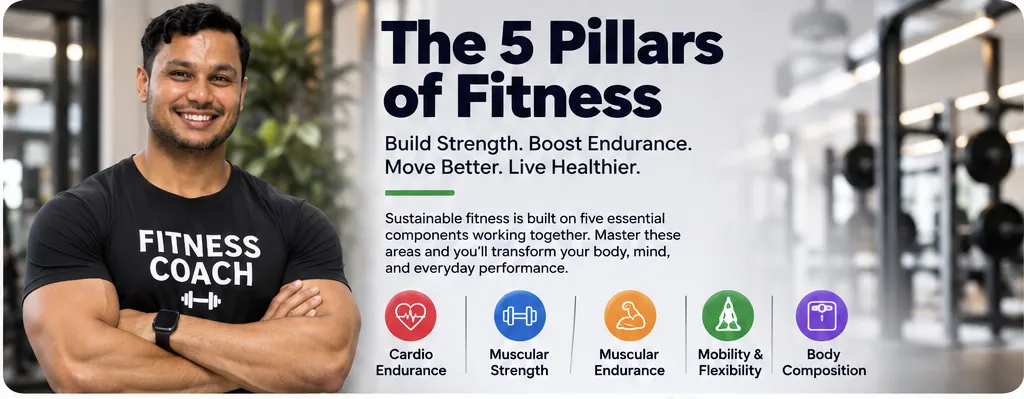
RAJ DAS | K11 Certified Fitness Expert
Training Designed Around You. Results That Matter to You.
My goal is to help you achieve your fitness goals through personalized, science-based training that fits your body, lifestyle, and schedule.
What You Gain From Training With Me
Fat Loss Without Neglecting Muscle: Work toward a leaner body while preserving muscle to support strength, mobility, and physical function.
Muscle Building & Strength: Follow structured workouts designed to build muscle, improve strength, and help you feel more capable in everyday activities.
Better Posture & Movement: Address movement limitations associated with prolonged sitting through appropriate mobility, strengthening, and posture-focused exercises.
Safer, Smarter Workouts: Learn correct form, exercise technique, controlled breathing, and appropriate progressions, with modifications suited to your abilities.
Nutrition That Fits Your Life: Get practical food guidance that works with your preferences, work schedule, and everyday meals.
Fitness That Fits Your Schedule: Follow a personalized plan designed around your professional commitments and available training time.
Progress You Can Track: Monitor improvements in strength, fitness, movement, and body composition to keep your training purposeful.
Your body, goals, and lifestyle deserve an individual approach. Contact me, Raj Das, to begin building a stronger, fitter, more capable you—one purposeful session at a time.
Choose Your Fitness Journey
Compare our three fitness packages and choose the right plan for your goals: Weight Loss, Muscle Gain or General Fitness.
| Features | Fit Starter | Fit Transformation | Fit Elite |
|---|---|---|---|
| Monthly Price | FREE ₹0 |
₹2,000 | ₹5,000 |
| Package Type | Free Fitness Program | Online Group Fitness Coaching | 1 to 1 Personal Training |
| Self-Learning Videos | Yes | No | No |
| Live Online Classes | No | 3 Days/Week | No |
| Weight Training | Self-Learning Videos | 3 Days/Week | 3 Days/Week, One-to-One |
| Cardio Training | Self-Learning Videos | 1 Day/Week | 1 Day/Week |
| Yoga | Self-Learning Videos | 1 Day/Week | 1 Day/Week |
| Live Session Duration | Self-Learning Videos | 1 Hour Via Zoom Meeting | 1 Hour in Person |
| Live Exercise Demonstrations | Self-Learning Videos | During Live Classes | In Person Training |
| Live Q&A Sessions | Wed & Sat 1 Hour each Session | During Coaching Sessions | Individual Guidance |
| Fitness Community | Yes | Yes | Yes |
| Saturday Meetup at Eco Park | No | Yes | No |
| One-to-One Personal Trainer | No | No | Yes |
| Personalized Workout Plan | No | Goal-Oriented Guidance | Yes |
| Progress Monitoring | Self-Managed | Community Accountability | Individual Progress Reviews |
| Training Location | Self-Paced Learning | Live Class + Fitness Community + Meetup | Client's Home / Society Gym |
| Ideal For | Beginners and Self-Learners | People Seeking Structured Online Coaching | People Seeking Personal Attention |
YOUR FITNESS JOURNEY STARTS TODAY!
Weight Loss • Muscle Gain • General Fitness
Start for free, train online with expert guidance, or experience personalized one-to-one coaching at your home or society gym.
Choose your package and take the next step toward a healthier, fitter and more active lifestyle.
| As You Age | Non-Exercise Person | Exercise Person |
|---|---|---|
| Muscle | 📉 Loss of strength | 💪 Maintains strength |
| Bones | 🦴 Weaker bones | 🦴 Supports bone strength |
| Mobility | 📉 Stiffness & reduced movement | 🤸 Better mobility |
| Balance | ⚠️ Higher fall risk | ⚖️ Better balance |
| Chronic Disease | ⚠️ Higher risk | ❤️ Helps reduce risk |
| Independence | 📉 May decline sooner | 🏃 Supports independence |
| Healthy Aging | ⏳ Faster physical decline | 🌱 Healthier aging |
Key message:
Exercise isn’t just about looking fit — it’s about having more energy, strength, stamina, mobility, confidence, and better quality of life.
Your safety comes first. After a proper fitness assessment and personal interview, I will take “you as a client” only when I’m confident we can train safely and effectively. From there, we’ll work together with a personalized approach to help you achieve your fitness goals. For me, your progress, health, and injury prevention come before money. My goal is not just to train you—it’s to create real, sustainable value for you. [Message from Raj Das, Fitness Coach]
WE PROVIDE OFFLINE & ONLINE FITNESS COACHING IN RAJARHAT, NEW TOWN, KOLKATA.
Personalised Fitness Coaching in New Town and Rajarhat
Choosing the right fitness coach Rajarhat Kolkata can help you turn your fitness goals into a practical, structured routine. Instead of following random workouts, you can work towards a clear objective with appropriate exercise selection, progressive training, and regular progress reviews.
As a fitness trainer in New Town Kolkata, Fit To Be Alive focuses on helping individuals improve their physical fitness through structured workouts and personalised guidance.
Your programme may include strength training, cardiovascular exercise, mobility work, exercise technique, and lifestyle recommendations based on your goals and requirements.
Weight Loss Coaching for Sustainable Progress
If losing excess body fat is your priority, a weight loss coach in New Town Kolkata can help you approach your goal through consistent exercise, balanced nutrition, and sustainable lifestyle habits.
The weight loss program in New Town Kolkata at Fit To Be Alive focuses on structured workouts, nutrition awareness, muscle preservation, and progress tracking rather than crash diets or unrealistic promises.
Working with a fat loss coach in New Town Kolkata can help you establish manageable routines, improve exercise consistency, and understand how everyday habits influence your progress.
Results vary between individuals, but a realistic and consistent approach can help you work towards long-term fitness goals.
Muscle Building and Strength Training
Want to develop stronger muscles and improve your physique? A muscle building personal trainer in New Town Kolkata can help you follow a structured resistance-training programme suited to your experience and goals.
Training may include compound exercises, targeted muscle-group workouts, progressive overload, and appropriate recovery. Nutrition and consistent training also play important roles in muscle development.
Working with a strength training coach in New Town Kolkata can help you improve exercise technique, build strength progressively, and develop a more organised workout routine.
Group Fitness Classes in New Town Kolkata
Prefer exercising with others? Group fitness classes in New Town Kolkata offer a shared training environment where you can follow structured workouts while building consistency and motivation.
Group sessions may combine resistance exercises, cardiovascular conditioning, bodyweight movements, and mobility work, depending on the available programme.
Group training can be suitable for people who enjoy a motivating environment and want to make regular exercise part of their lifestyle. Contact Fit To Be Alive to confirm current class schedules and availability.
Nutrition Coaching for Better Fitness Results
Exercise is only one part of a balanced fitness routine. Nutrition, recovery, hydration, and daily habits also influence your ability to achieve your goals.
A nutrition coach in New Town Kolkata can help you understand balanced food choices, practical meal planning, portion awareness, and nutrition habits that complement your training.
Whether your objective is weight management, muscle development, or general health, the focus should be on sustainable eating patterns rather than unnecessary restrictions.
Personal Training Options in New Town and Rajarhat
Fit To Be Alive offers fitness guidance for people with different goals and training preferences.
Personal training in Rajarhat Kolkata: Explore individual coaching built around your fitness objectives and current abilities.
Offline personal training in Rajarhat: Enquire about in-person coaching options and available training locations.
Online personal training in New Town: Ask about remote coaching availability if you prefer guidance that fits your schedule.
Personal fitness coach in Rajarhat Kolkata: Explore personalised support for strength, fitness improvement, and sustainable lifestyle habits.
The appropriate programme depends on your goals, experience, schedule, and preferred training format. Contact the team to discuss available services and session arrangements.
Why Choose Fit To Be Alive?
A good fitness programme should be practical, structured, and suited to the individual. Fit To Be Alive focuses on helping clients understand their workouts, develop consistency, and work towards meaningful progress.
The approach prioritises:
Personalised training based on individual goals.
Structured exercise and progressive development.
Guidance on strength, conditioning, and movement.
Practical nutrition and lifestyle support.
Realistic goals and consistent progress tracking.
Start Your Fitness Journey Today
Whether you want to lose weight, build muscle, improve stamina, or become more active, the right starting point is a plan that fits your lifestyle.
Contact Fit To Be Alive today to discuss your fitness goals, explore personal training and group fitness options, and find out which coaching programme is suitable for you.
Build better habits, train with purpose, and take your next step towards a stronger, fitter, healthier lifestyle.
Frequently Asked Questions
1. What fitness services does Fit To Be Alive offer?
Fit To Be Alive offers personalised one-to-one fitness coaching, weight-loss support, strength and conditioning, group fitness training, and nutrition guidance to help individuals work towards their fitness goals.
2. Do you provide personal training for beginners?
Yes. Beginners can discuss their fitness level, exercise experience, and goals before starting. Training can begin with appropriate exercises and progress gradually as fitness and confidence improve.
3. Where does Fit To Be Alive provide fitness coaching?
Fit To Be Alive provides offline fitness coaching in Rajarhat and New Town, Kolkata. Contact the team to confirm the available training location and session arrangements.
4. Can personal training help with weight loss and muscle building?
Personal training can support both goals through structured workouts, progressive resistance training, and consistent exercise habits. Nutrition, recovery, and individual circumstances also influence results.
5. Does Fit To Be Alive provide personal training at home in New Town?
Yes, Certified Coach Raj Das provides 1-to-1 offline personal training directly at your home or society gym across New Town and Rajarhat, Kolkata.
6. How can I book a fitness consultation or trial session?
You can contact Fit To Be Alive through the website or WhatsApp to discuss your goals, ask about available programmes, and enquire about the free one-hour trial advertised on the homepage.
7. How do I choose the right fitness programme?
Start by identifying your main goal, such as weight loss, muscle building, improved strength, or general fitness. Discuss your experience, schedule, and preferences with the coach to determine which available programme best suits your needs.
